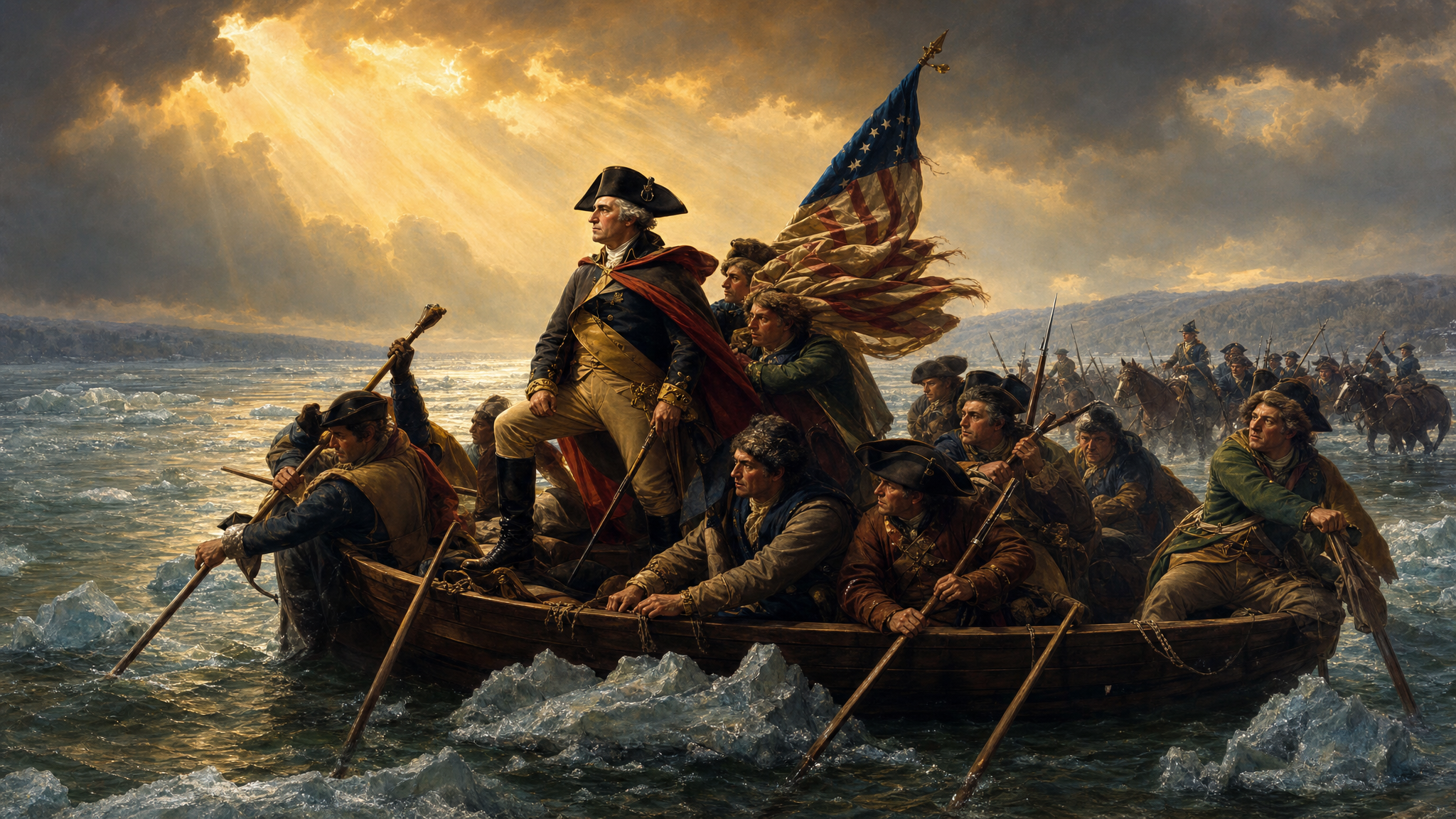
July 4th, 1776 — July 4th, 2026
250 Years ofFranco-AmericanAlliance
Celebrating the indispensable French contribution that helped forge American independence — an alliance born of shared ideals of liberty, equality, and the pursuit of freedom.
“Humanity has won its battle. Liberty now has a country.”— Marquis de Lafayette
A Shared Journey
Timeline of the Alliance
From secret aid to decisive victory — the key events that forged Franco-American friendship and American independence.
Secret Aid Begins
King Louis XVI authorizes creation of Roderigue Hortalez & Cie — a front company to secretly funnel arms, gunpowder, and supplies to the American rebels.
Franklin Arrives in Paris
Benjamin Franklin arrives in France as American commissioner, beginning a masterful diplomatic campaign to secure an alliance.
Lafayette Sails for America
The 19-year-old Marquis de Lafayette defies the King's orders, purchases a ship, and sails to America to volunteer for the Continental Army.
Victory at Saratoga
The American victory at Saratoga — fought largely with French-supplied arms — convinces France that the American cause is viable.
Treaties of Alliance & Commerce
France and the United States sign two historic treaties: the Treaty of Amity and Commerce (recognizing U.S. independence) and the Treaty of Alliance (a defensive military pact).
Siege of Savannah
A joint Franco-American assault on British-held Savannah, including 500+ free Black soldiers from Saint-Domingue. Despite defeat, it demonstrated France's military commitment.
Rochambeau Arrives
Comte de Rochambeau lands in Newport, Rhode Island with approximately 5,500 French professional soldiers — the Expédition Particulière.
Battle of the Chesapeake
Admiral de Grasse's fleet of 28 ships defeats the British Royal Navy, establishing French naval superiority and sealing Cornwallis's fate at Yorktown.
Surrender at Yorktown
Lord Cornwallis surrenders 7,000+ British soldiers to a combined force of ~9,000 Americans and ~8,000 French troops. The war is effectively won.
Treaty of Paris
Great Britain formally recognizes the independence of the United States. The Franco-American alliance has achieved its ultimate goal.
Heroes of the Alliance
Key Figures
The remarkable individuals who championed the Franco-American cause on both sides of the Atlantic.
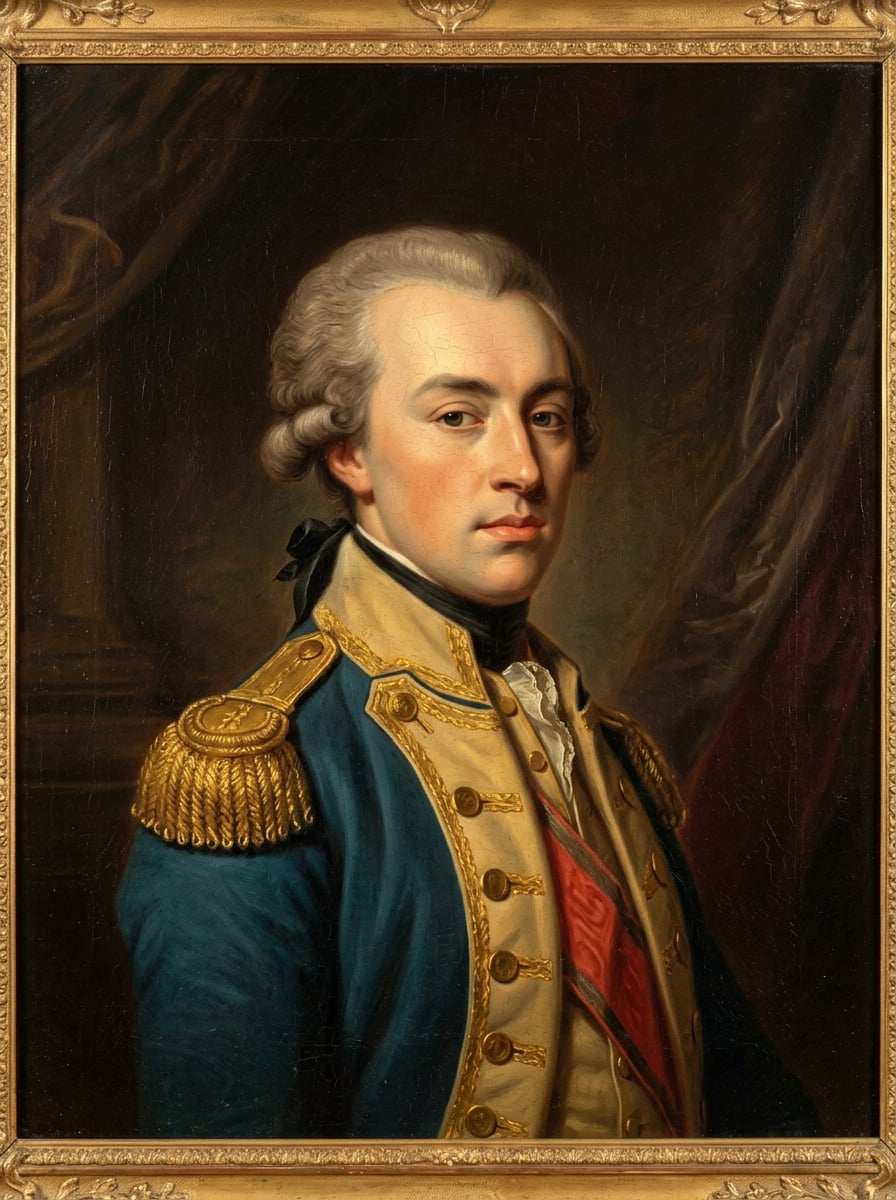
Marquis de Lafayette
1757–1834
Major General, Continental Army
A young French aristocrat who volunteered for the Continental Army at age 19. Commissioned as Major General, he developed a deep bond with George Washington and served with distinction at Brandywine, Monmouth, and the crucial Virginia campaign that cornered Cornwallis at Yorktown.
"Humanity has won its battle. Liberty now has a country."
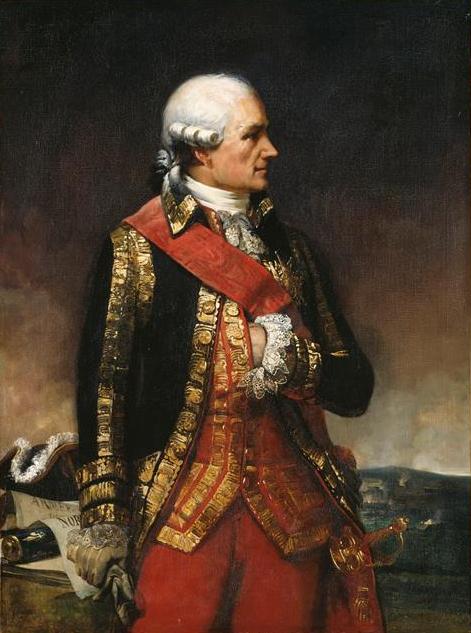
Comte de Rochambeau
1725–1807
Commander, French Expeditionary Force
A veteran French general who commanded the Expédition Particulière — 5,500 professional French troops sent to America. His pragmatic leadership and respectful collaboration with Washington were critical to the decisive Yorktown campaign.
"We are auxiliaries and we must not be jealous."
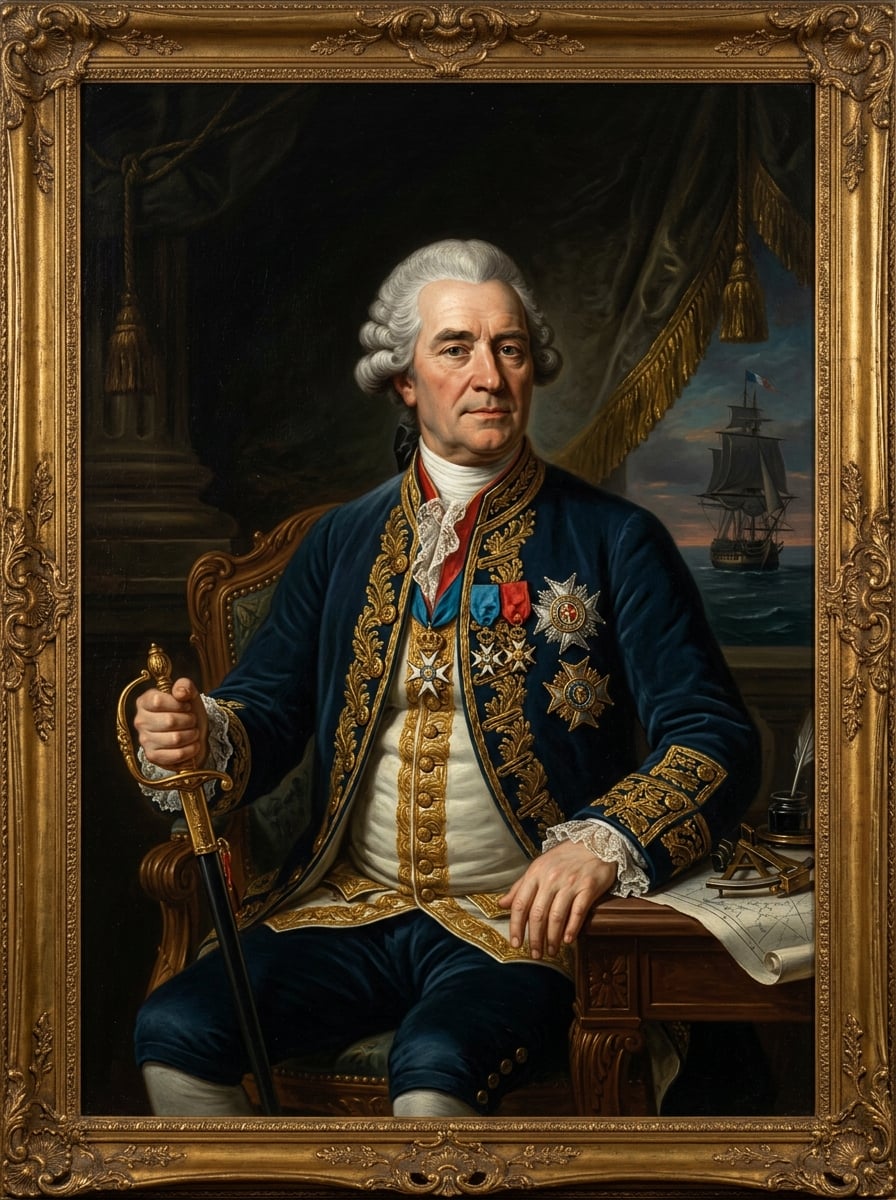
Admiral de Grasse
1722–1788
Commander, French West Indies Fleet
His fleet of 28 ships of the line won the pivotal Battle of the Chesapeake on September 5, 1781, cutting off Cornwallis from British naval support and making the Yorktown victory possible.
"The fate of the unborn millions will now depend on the courage of this army."
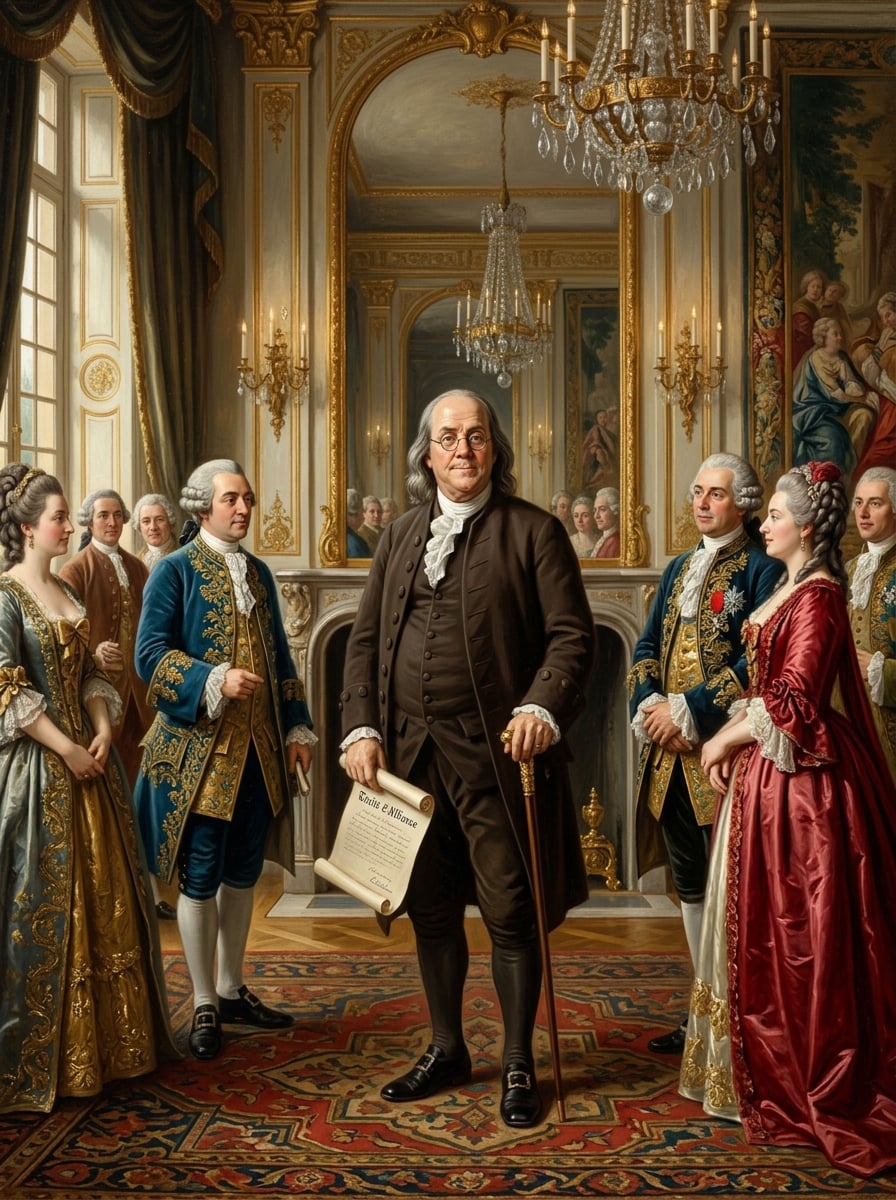
Benjamin Franklin
1706–1790
American Ambassador to France
Arriving in Paris in December 1776, Franklin became a cultural phenomenon. He skillfully navigated the French court, secured the vital 1778 Treaties of Alliance and Commerce, and obtained critical loans that kept the Revolution alive.
"Our firm connection with France gives us weight with England."
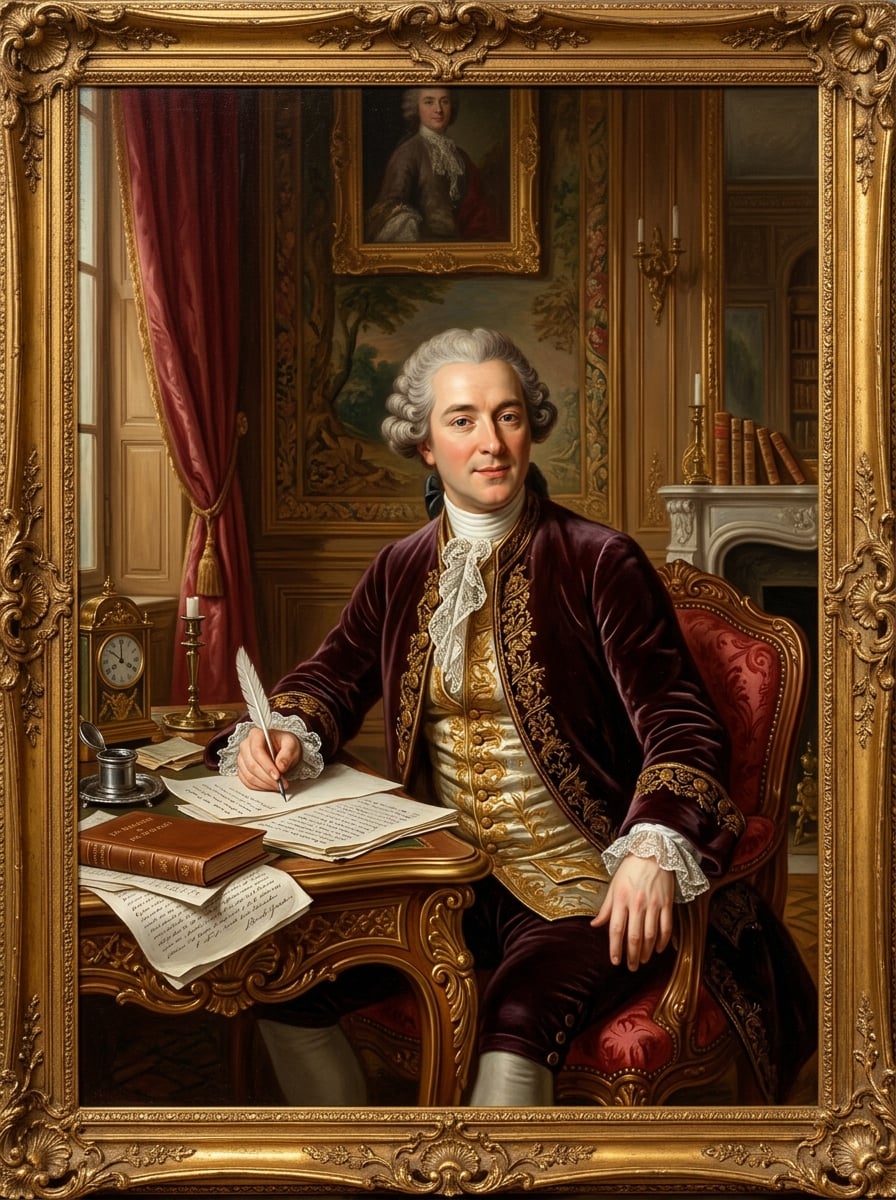
Pierre-Augustin de Beaumarchais
1732–1799
Playwright, Spy & Secret Agent
The playwright behind "The Marriage of Figaro" ran the front company Roderigue Hortalez & Cie, through which France covertly funneled millions of livres worth of arms, gunpowder, and supplies to the Continental Army before the formal alliance.
"I will serve your cause as if it were my own."
The Art of Diplomacy
Forging a Formal Alliance
Benjamin Franklin\'s masterful diplomacy in Paris, bolstered by the American victory at Saratoga in October 1777, convinced France to openly support the Revolution.
Treaty of Amity and Commerce
France officially recognized the United States as an independent nation and established formal commercial relations — a historic step that placed America on the world stage.
Treaty of Alliance
A defensive military pact stipulating that France and America would fight together until independence was "formally or tacitly assured." Neither side could make a separate peace with Britain.
The Secret Lifeline: Hortalez & Cie
Before any formal treaty, playwright Pierre-Augustin de Beaumarchais created Roderigue Hortalez & Cie — a front company funded with 1 million livres from France and 1 million from Spain. By 1777, this secret channel had funneled over 5 million livres worth of arms, gunpowder, and supplies to the Continental Army — supplies critical to the American victory at Saratoga.
Decisive Engagements
The Battles That Changed History
French military intervention turned the tide of war — on land and at sea.
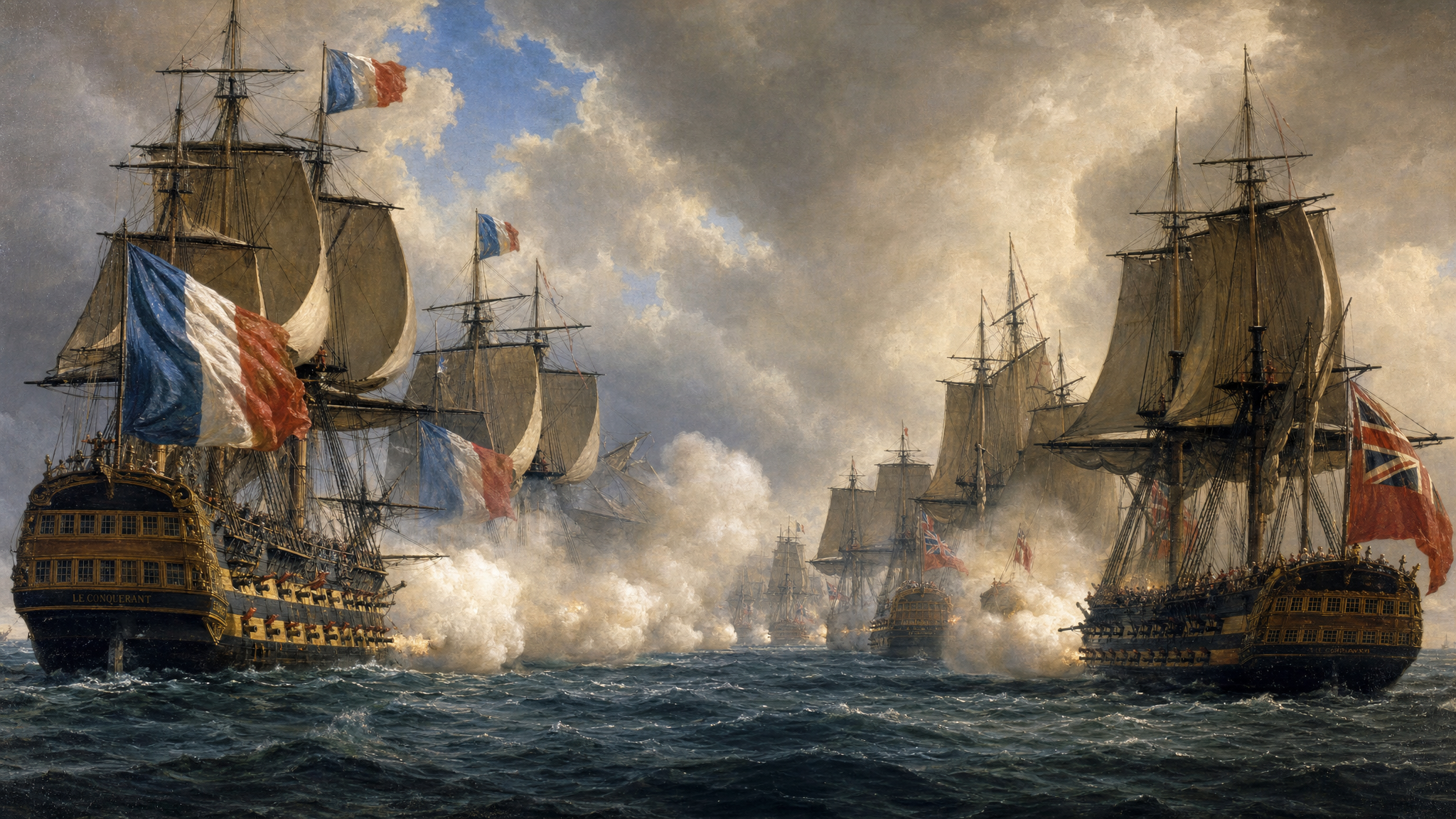
Battle of the Chesapeake
Admiral de Grasse's fleet of 28 ships of the line engaged and defeated the British Royal Navy, establishing French naval superiority and preventing the evacuation or reinforcement of Cornwallis's army at Yorktown. This naval blockade was the final piece of the strategic puzzle.
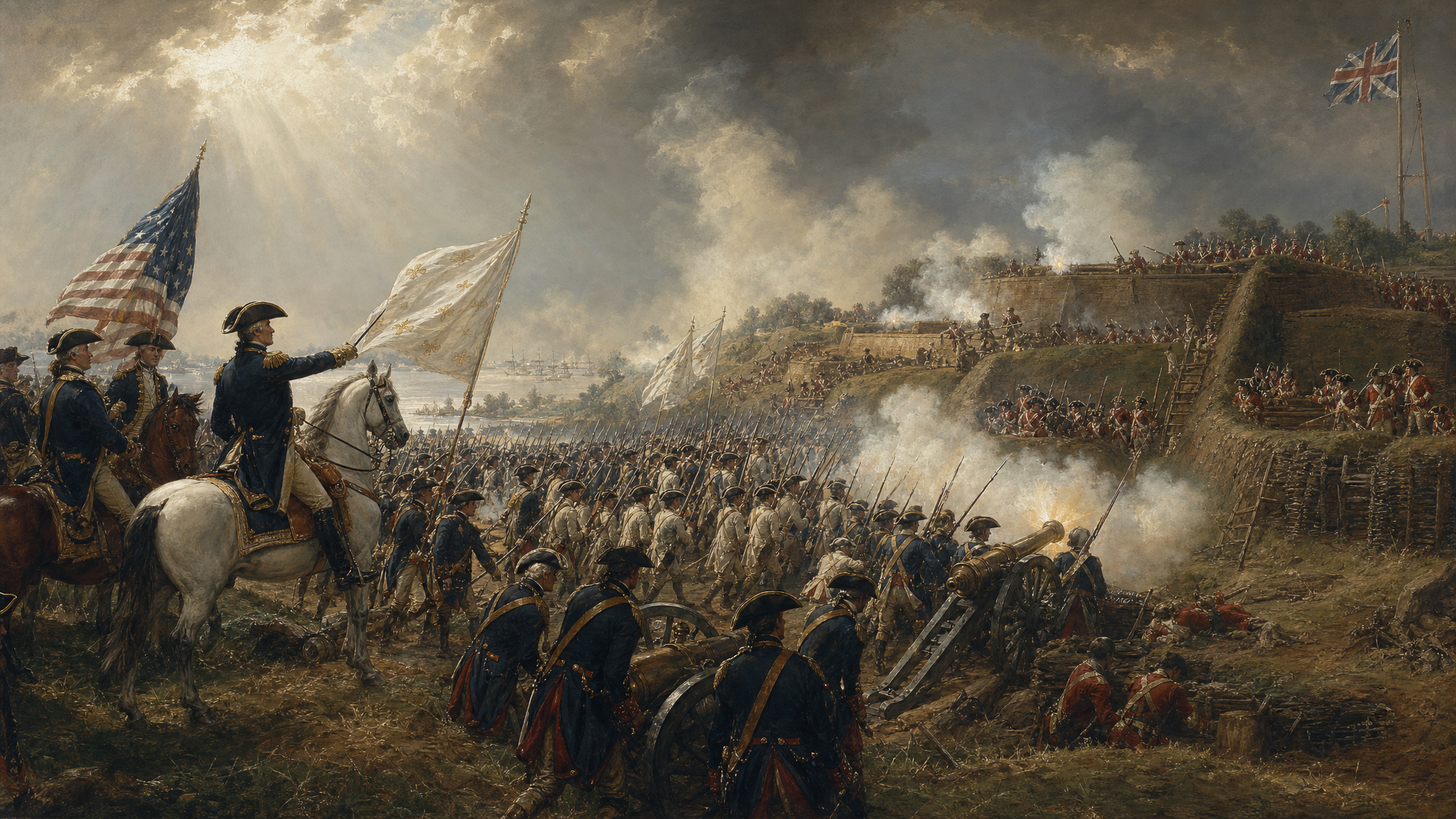
Siege of Yorktown
The decisive battle of the war. A combined force of approximately 9,000 Americans and 8,000 French soldiers besieged Cornwallis's army. With the French navy blocking escape by sea, Cornwallis surrendered on October 19, 1781 — effectively ending the Revolutionary War.
The Power of the Purse & Sword
French Aid by the Numbers
From covert funding to a full military commitment — France\'s support was essential at every stage of the Revolution.
Financial Aid
~48M Livres
Total French expenditure including covert aid through Hortalez & Cie, formal loans, and direct gifts. Equivalent to billions in modern currency.
Naval Power
28 Ships of the Line
Admiral de Grasse's fleet that won the Battle of the Chesapeake, plus transports carrying thousands of troops and supplies across the Atlantic.
Arms & Supplies
5M+ Livres (by 1777)
Secretly shipped via Beaumarchais's front company: muskets, cannons, gunpowder, uniforms, and tents — vital to the Continental Army's survival.
Troops Deployed
12,000+
Over 12,000 French soldiers and marines served in the American theater, including Rochambeau's 5,500 professionals and 3,000+ marines from de Grasse's fleet.
Loading charts...
Words That Shaped History
Voices of the Alliance
“I have been obliged to see... that the intestine quarrels between the first and the last in our own house had soured the minds, and done an injury to the reputation and interests of America.”
Marquis de Lafayette
Letter to George Washington, June 1779
“Our firm connection with France gives us weight with England, and while that connection lasts, the friendship of France to us is secured.”
Benjamin Franklin
Diplomatic correspondence, Paris
“Humanity has won its battle. Liberty now has a country.”
Marquis de Lafayette
Upon American victory
Documentation
Sources & References
This content is based on authoritative historical sources.
- 1U.S. Department of State, Office of the Historian — "French Alliance" & "French Loans and American Diplomats, 1777–1795"
- 2Central Intelligence Agency — "Beaumarchais and the American Revolution," Studies in Intelligence
- 3National Park Service — "Washington-Rochambeau Revolutionary Route"
- 4Library of Congress — "Lafayette: An American Icon," December 1995
- 5Museum of the American Revolution — "Washington and Rochambeau: A Historic Alliance"
- 6U.S. Army Center of Military History — "Army History," Winter 1991, No. 17
- 7Smithsonian Magazine — "The Baron von Steuben Showed the Continental Army How to Fight," 2017
- 8Journal of the American Revolution — "Clarifying Beaumarchais," September 2020
- 9Founders Online, National Archives — Correspondence of Lafayette, Franklin, and Washington
- 10National Archives — "Milestone Documents: Treaty of Alliance with France (1778)"